Supervised Machine Learning Readiness
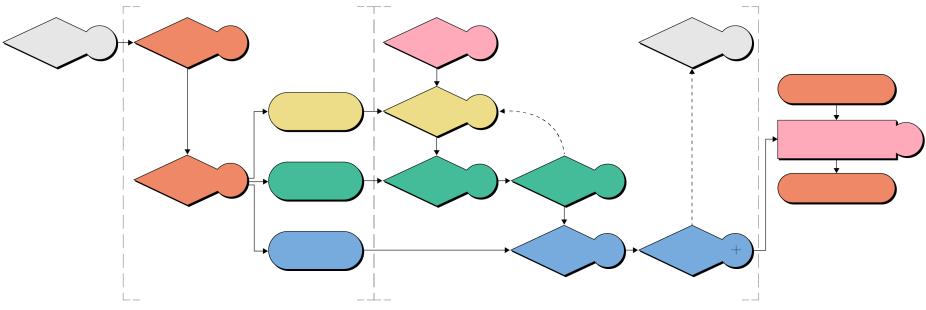
Supervised Machine Learning Readiness is a self-paced, beginner-friendly learning program designed for Earth systems scientists to explore the core principles of supervised machine learning. This series uses a combination of step-by-step frameworks, exploratory widgets, and low-code exercises in Jupyter Notebooks, to explore the full cycle of machine learning model development. No programming experience is required. By the end of the series, you will be able to recognize when machine learning is an appropriate tool and critically evaluate machine learning in Earth Systems Science contexts.
This program is divided into three modules:
Module 1 - Foundations
(No-code eLearning)
Estimated Time
1 hour
Learning Objectives:
- Define machine learning in terms of its goals or purpose
- Explain the steps of a general supervised machine learning analysis
- Distinguish scenarios that are and are not appropriate for supervised machine learning analysis
Module 2 - Applications
(Jupyter Notebook)
Note: See Technical Requirements below for information on setting up your environment.
Estimated Time
1 hour
Learning Objectives
- Describe the data used in the scenario, including discussion of the context to the physical world
- Create and make strategic refinements to a machine learning model following a guided low-code workflow
- Describe a multifaceted classification model evaluation, including accuracy, precision, and recall scores
- Justify a decision on the utility of a machine learning model based on evaluation metrics, physical context, impacts on the Earth Systems Science scenario
Module 3 - Analysis
(Jupyter Notebook)
Estimated Time
1 hour
Learning Objectives
- Develop a clear and comprehensive problem statement for a given machine learning scenario, considering the goals, constraints, and context of the analysis
- Summarize the characteristics of a provided dataset
- Summarize and justify the decisions made during the processes of model development, including feature selection and intermediate evaluation metrics
- Evaluate the model's performance in solving the initial problem, and recommend potential refinements or improvements for future iterations
Details
Intended Audience
- Earth Systems scientists
- New and aspiring machine learning users
- Graduate and upper-level undergraduate students
Suggested Prerequisite Skills
Author
NSF Unidata
In partnership with Metropolitan State University of Denver
This work was supported by NSF Unidata under award #2319979 from the US National Science Foundation.
Format
Self-Paced eLearning
Duration
1 hour
Technical Requirements
Last Update
May 2026